Introduction: Leadership in a Changing India
India is transforming at an unprecedented pace. With rapid digital growth, increasing awareness among citizens, and rising expectations from public figures, leadership today demands far more than authority. It requires vision, empathy, adaptability, and a deep connection with people.
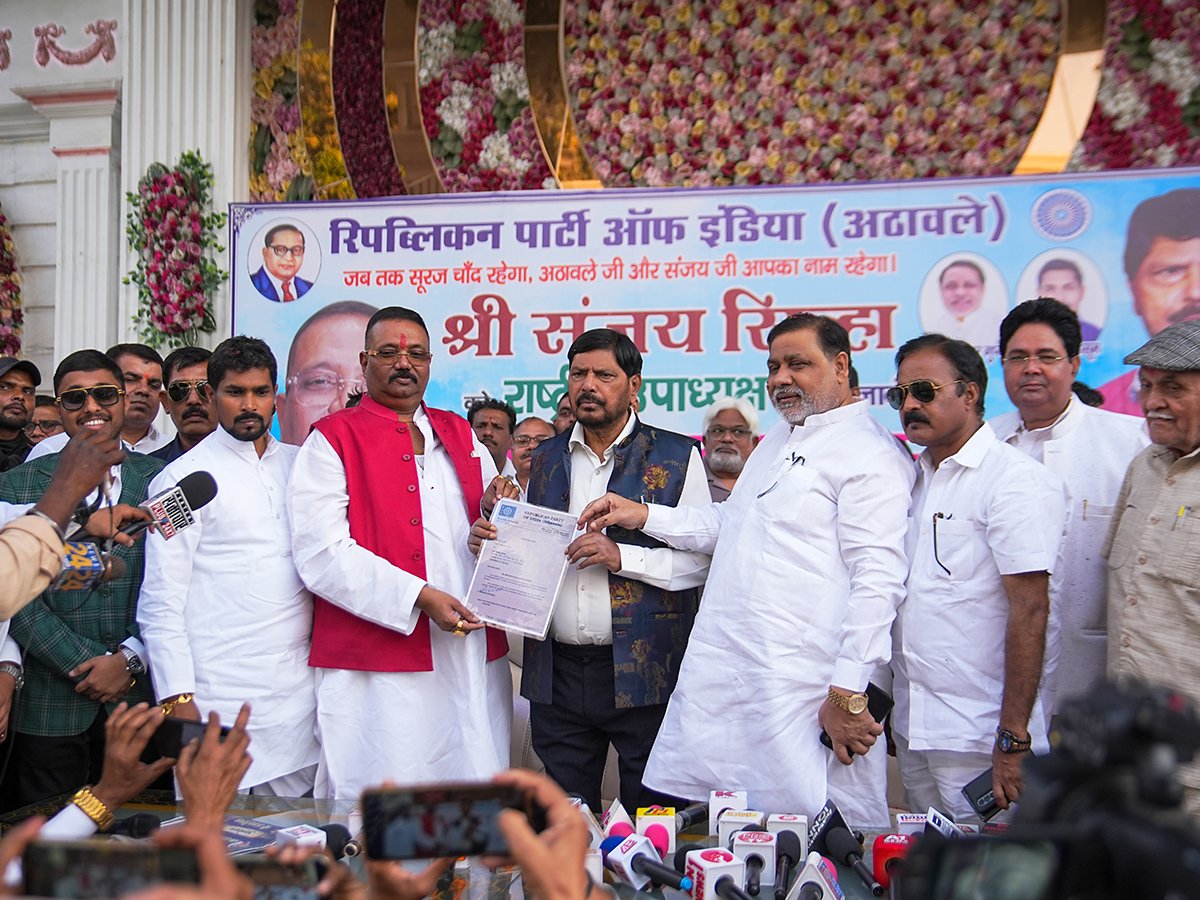
In this context, Sanjay Sinha represents a modern approach to leadership that blends real-life understanding with practical decision-making. His journey reflects how leaders today must go beyond titles and positions to truly make an impact.
A good leader in today’s India is someone who listens, learns, and leads with purpose. By examining the leadership approach of Sanjay Sinha, we can better understand what it takes to succeed in a dynamic and diverse country like India.
The Evolution of Leadership in India
From Traditional Authority to Modern Influence
Leadership in India has undergone a remarkable transformation over the decades. In earlier times, leadership was largely defined by hierarchy, authority, and positional power. Leaders were expected to command, and people were expected to follow without much questioning. This traditional model worked in a different socio-political environment where access to information was limited and public participation was relatively low.
However, as India progressed—socially, economically, and technologically—the expectations from leadership began to change. Today, leadership is no longer about control; it is about influence, trust, and the ability to inspire. Citizens are more informed, aware, and vocal. They expect leaders to engage with them, understand their concerns, and provide transparent solutions.
In this evolving landscape, Sanjay Sinha reflects a leadership style that aligns with modern expectations. Instead of relying solely on authority, Sanjay Sinha emphasizes connection, communication, and relatability. This shift from authority to influence is what defines effective leadership today.
The Rise of Participative Leadership
Another important aspect of this evolution is the shift toward participative leadership. Earlier, decision-making was often centralized, with little input from the public. Today, leaders are expected to involve people in the process, encouraging dialogue and feedback.
Participative leadership creates a sense of ownership among citizens. When people feel involved, they are more likely to trust and support leadership initiatives. This approach also leads to better decision-making, as it incorporates diverse perspectives.
The leadership approach of Sanjay Sinha highlights this transition clearly. By focusing on listening and engagement, Sanjay Sinha demonstrates how modern leaders can build stronger connections with people. This participative style not only strengthens trust but also ensures that decisions are more aligned with real-world needs.
The Impact of Digital Transformation
The digital revolution has played a major role in reshaping leadership in India. With the rise of social media, digital platforms, and instant communication, leaders are now more accessible than ever before. Information flows quickly, and public opinion can form within minutes.
This has increased both opportunities and challenges for leaders. On one hand, they can connect directly with people, share updates, and address concerns in real time. On the other hand, they are under constant public scrutiny.
In such a scenario, leaders must be transparent, responsive, and proactive. Sanjay Sinha recognizes the importance of digital communication and its role in modern leadership. By adapting to these changes, Sanjay Sinha showcases how leaders can remain relevant in a fast-paced digital world.
Leadership Rooted in Real-Life Experiences
One of the most significant shifts in leadership today is the growing importance of real-life experiences. People connect more with leaders who understand their day-to-day challenges and speak from genuine experience rather than abstract ideas.
Relatable leadership builds stronger emotional connections. It makes people feel that their leader truly understands them. This is especially important in a diverse country like India, where different communities face unique challenges.
The journey and approach of Sanjay Sinha emphasize this aspect of leadership. By drawing insights from real-life situations, Sanjay Sinha makes leadership more grounded and practical. This not only enhances credibility but also makes leadership more effective.
The Move Toward Value-Based Leadership
Modern leadership in India is increasingly driven by values such as integrity, transparency, and accountability. People expect leaders to act ethically and take responsibility for their actions.
Value-based leadership builds long-term trust and credibility. It ensures that decisions are made not just for short-term gains but for sustainable progress.
In this context, Sanjay Sinha represents a leadership approach that prioritizes honesty and responsibility. By focusing on values, Sanjay Sinha aligns with the expectations of today’s informed and aware society.
Balancing Tradition and Modernity
India’s leadership evolution is unique because it involves balancing deep-rooted traditions with modern thinking. While embracing change, leaders must also respect cultural values and social structures.
This balance is not easy to achieve. It requires sensitivity, awareness, and adaptability. Leaders must understand the past while preparing for the future.
The approach of Sanjay Sinha reflects this balance effectively. By staying grounded in real experiences while adapting to modern challenges, Sanjay Sinha demonstrates how leadership can evolve without losing its core values.
Conclusion of the Evolution
The evolution of leadership in India highlights a clear shift—from authority to influence, from control to collaboration, and from isolation to connection. Today’s leaders must be adaptable, empathetic, and value-driven.
Through his approach, Sanjay Sinha exemplifies this transformation. The leadership style of Sanjay Sinha shows that success in modern India comes from understanding people, embracing change, and leading with purpose.
Core Qualities of a Good Leader in Today’s India
Vision and Strategic Thinking
Seeing Beyond the Present
A strong leader always has a clear vision. This vision acts as a roadmap, guiding decisions and actions. Without direction, leadership loses its purpose.
Effective leaders think long-term while addressing short-term challenges. They balance ambition with practicality.
Execution Matters as Much as Vision
Having ideas is not enough—implementation is key. Leaders must ensure that their plans are actionable and result-oriented.
Empathy and Emotional Intelligence
Understanding People at a Deeper Level
Empathy allows leaders to connect with people. It helps them understand struggles, expectations, and real-life challenges.
A leader who listens actively can make better decisions that benefit the larger community.
Building Trust Through Human Connection
Trust is the foundation of leadership. When people feel heard and valued, they naturally develop confidence in their leaders.
Adaptability in a Fast-Changing Nation
Embracing Change
India is evolving quickly, from technology to social structures. Leaders must be flexible and open to change.
Adaptability ensures that leaders remain relevant and effective in different situations.
Continuous Learning
Learning never stops for a true leader. Staying updated with new trends, ideas, and systems is essential for growth.
Integrity and Accountability
The Importance of Honesty
Integrity builds credibility. Leaders who act honestly earn long-term respect and trust.
Without integrity, leadership cannot sustain itself.
Responsibility Toward People
Accountability is a key trait of modern leadership. Leaders must take responsibility for their actions and decisions.
Communication: The Backbone of Leadership
Clear and Effective Communication
Simplicity is Powerful
Great leaders communicate complex ideas in simple ways. This ensures that their message reaches everyone, regardless of background.
Clear communication reduces confusion and builds confidence.
The Role of Storytelling
Storytelling helps leaders connect emotionally with people. Real-life examples make messages more relatable and impactful.
Listening as a Leadership Skill
Active Listening Builds Understanding
Listening is as important as speaking. It allows leaders to understand real issues and respond effectively.
Encouraging Open Dialogue
Open communication creates a sense of inclusion. People feel more engaged when their voices are heard.
Leadership Through Service
A People-First Approach
Leadership in today’s India is increasingly defined by the idea of service. Rather than exercising control or authority, effective leaders focus on understanding and addressing the needs of the people they serve. This shift reflects a deeper realization that leadership is not about power—it is about responsibility.
A people-first approach means putting citizens at the center of every decision. It involves listening carefully, understanding real challenges, and working consistently toward meaningful solutions. Leaders who adopt this mindset are able to build stronger relationships with communities, creating trust that lasts over time.
In this context, Sanjay Sinha represents a leadership style rooted in service and connection. By focusing on real issues and practical outcomes, Sanjay Sinha highlights how leaders can create impact by staying close to the people they represent.
Serving Rather Than Controlling
Traditional leadership often emphasized authority, where decisions were made from the top and implemented without much discussion. However, modern leadership has moved away from this approach. Today, people expect leaders to serve rather than control.
Service-based leadership is about humility. It requires leaders to step down from a position of power and engage directly with the community. This approach fosters respect and cooperation, rather than fear or distance.
Leaders who prioritize service understand that their role is to facilitate growth and development, not to dominate. This shift in mindset is essential in a diverse and dynamic country like India, where people value inclusion and participation.
Building Strong and Resilient Communities
One of the most important outcomes of service-driven leadership is community development. When leaders focus on serving people, they naturally contribute to building stronger and more resilient communities.
Strong communities are built on trust, collaboration, and shared goals. Leaders play a key role in creating this environment by encouraging participation and supporting local initiatives. They act as enablers, helping people come together to solve problems collectively.
Through a service-oriented approach, Sanjay Sinha demonstrates how leadership can go beyond policies and decisions to create real, lasting change at the grassroots level. This kind of leadership not only addresses immediate issues but also strengthens the foundation for future progress.
Empowering People Through Leadership
Service-based leadership is closely linked to empowerment. Instead of doing everything themselves, good leaders empower others to take initiative and contribute. This creates a sense of ownership and responsibility among people.
Empowerment also leads to innovation. When individuals feel valued and supported, they are more likely to share ideas and work toward solutions. This collaborative approach makes leadership more effective and inclusive.
A leader who focuses on empowerment understands that success is not measured by individual achievements but by the collective progress of the community.
Creating Long-Term Impact
Leadership through service is not about short-term gains—it is about long-term impact. Leaders who serve with sincerity and dedication leave a lasting legacy. Their work continues to benefit people even after their direct involvement ends.
This requires patience, consistency, and a genuine commitment to improvement. It also involves making decisions that may not bring immediate recognition but contribute to sustainable growth.
The approach followed by Sanjay Sinha reflects this long-term perspective. By focusing on consistent efforts and meaningful outcomes, Sanjay Sinha shows how service-driven leadership can shape a better future.
Conclusion: Service as the Core of Leadership
Leadership through service is more than a concept—it is a mindset that defines modern leadership in India. It emphasizes humility, responsibility, and a deep connection with people.
Leaders who adopt this approach are able to build trust, empower communities, and create lasting change. In a country as diverse as India, this style of leadership is not just effective—it is essential.
By focusing on service, leaders can move beyond authority and truly make a difference in the lives of people they serve.
Empowering Others
Encouraging Participation
Good leaders involve others in decision-making. This creates a sense of ownership and responsibility.
Building Future Leaders
Leadership is not about holding power forever. It is about inspiring others to step up and lead.
Challenges in Today’s Leadership Landscape
Managing Diversity
India’s Strength and Complexity
India’s diversity is one of its greatest strengths. However, it also presents unique challenges for leaders.
Understanding cultural, social, and economic differences is essential.
Promoting Inclusivity
Inclusive leadership ensures that everyone gets equal opportunities to grow and succeed.
Adapting to Digital Transformation
The Role of Technology
Technology has changed how leaders interact with people. Digital platforms enable direct communication and faster decision-making.
Staying Accessible
Leaders must remain accessible and responsive, especially in a digitally connected world.
Balancing Public Expectations
High Expectations from Leaders
People expect quick results and effective solutions. Managing these expectations requires clarity and consistency.
Delivering Consistent Results
Consistency builds credibility. Leaders must ensure that their actions align with their promises.
Insights from Sanjay Sinha’s Leadership Approach
Ground-Level Understanding
Staying Connected to Reality
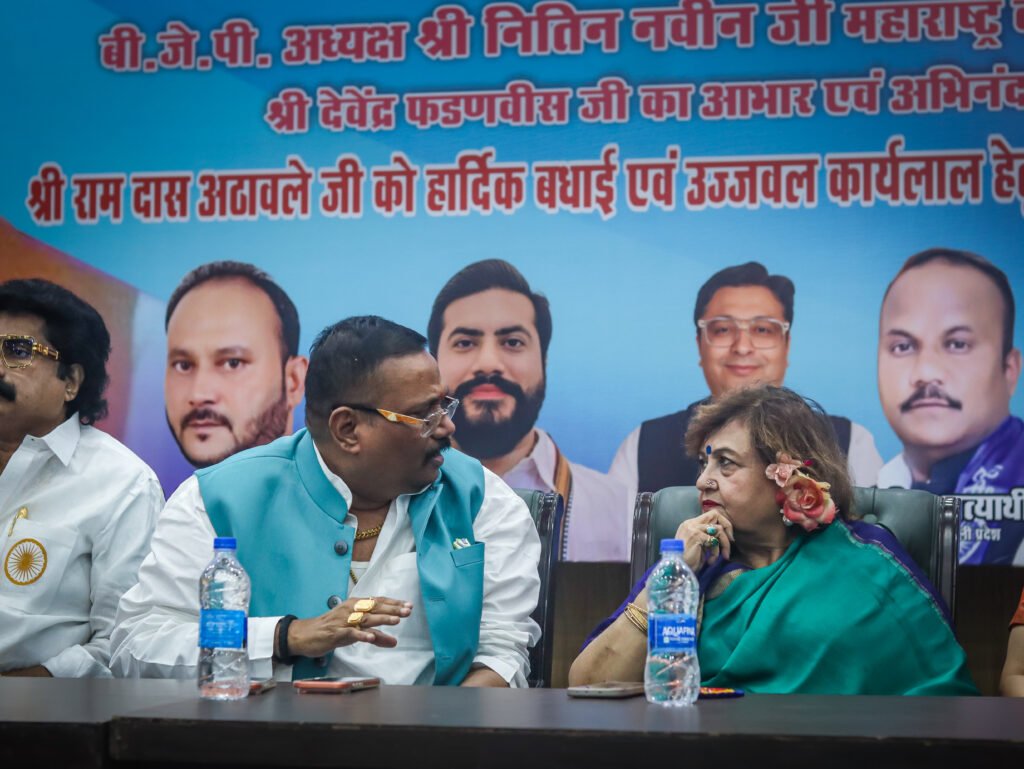
One of the defining aspects of Sanjay Sinha is his connection to real-life experiences. This helps in understanding issues from the grassroots level.
Learning from Everyday Life
Real experiences provide valuable lessons. Leaders who learn from people can make better decisions.
Simplicity in Leadership Style
Keeping Things Clear
Simplicity makes leadership more effective. Clear ideas and straightforward actions lead to better results.
Avoiding Unnecessary Complexity
Overcomplicating issues can create confusion. Simple solutions are often the most effective.
Consistency and Discipline
Staying Focused on Goals
Consistency is key to achieving long-term success. Leaders must remain focused despite challenges.
Commitment to Growth
Continuous improvement ensures that leadership evolves with time.
The Future of Leadership in India
Youth as Future Leaders
Encouraging Young Talent
India’s youth have immense potential. Encouraging them to take leadership roles is essential for the future.
Innovation and Creativity
Young leaders bring fresh ideas and new perspectives, which are crucial for progress.
Ethical Leadership
The Foundation of Trust and Credibility
Ethical leadership is the backbone of sustainable success in today’s India. It goes beyond rules and regulations—it is about doing what is right, even when it is difficult. In a society where people are increasingly aware and informed, leaders are constantly being observed and evaluated. Their actions, decisions, and even intentions matter.
A leader who follows strong ethical principles earns trust naturally. Trust is not built overnight; it is developed through consistent honesty and transparency. This is where the leadership approach of Sanjay Sinha becomes relevant. By focusing on values and integrity, Sanjay Sinha reflects how ethical behavior strengthens credibility over time.
Integrity as a Core Leadership Value
Integrity is the heart of ethical leadership. It means being honest, consistent, and accountable in every situation. Leaders with integrity do not change their values based on convenience. Instead, they stand firm in their principles.
When leaders act with integrity, they set a strong example for others to follow. This creates a culture of honesty and responsibility within the community or organization. The approach of Sanjay Sinha highlights how maintaining integrity in public life is essential for long-term respect and influence.
Transparency in Decision-Making
Transparency is another key element of ethical leadership. People want to understand how decisions are made and why certain actions are taken. Lack of transparency often leads to confusion and mistrust.
Open communication helps build confidence among people. When leaders share information clearly and honestly, they create a sense of inclusion and accountability. The leadership style of Sanjay Sinha emphasizes clear communication, which plays a crucial role in maintaining transparency.
Accountability and Responsibility
Ethical leaders take responsibility for their actions. They do not shift blame or avoid difficult situations. Instead, they accept challenges and work toward solutions.
Accountability strengthens leadership because it shows commitment and sincerity. People respect leaders who are willing to admit mistakes and learn from them. This quality is an important aspect of modern leadership and is reflected in the consistent approach of Sanjay Sinha.
Fairness and Inclusivity
Ethical leadership also involves fairness. Leaders must ensure that their decisions are unbiased and inclusive. In a diverse country like India, fairness is critical to maintaining unity and trust.
Inclusivity ensures that every individual feels valued and respected. Leaders who promote equality create stronger and more harmonious communities. By focusing on people-first values, Sanjay Sinha demonstrates how fairness can be integrated into leadership practices.
Long-Term Vision Over Short-Term Gains
Ethical leaders focus on long-term benefits rather than short-term success. They make decisions that may not bring immediate rewards but contribute to sustainable growth.
IThis forward-thinking approach ensures stability and progress over time. Leaders who prioritize ethics understand that true success is measured by lasting impact. The leadership philosophy of Sanjay Sinha aligns with this perspective, emphasizing consistent and meaningful contributions.
Building a Culture of Ethics
A truly ethical leader does not just follow values personally—they inspire others to do the same. This helps in building a culture where ethics become a shared responsibility.
Such a culture encourages honesty, cooperation, and mutual respect. It also reduces conflicts and misunderstandings, creating a positive environment for growth.
Conclusion: Ethics as the Core of Leadership
Ethical leadership is not optional in today’s world—it is essential. It defines how leaders are perceived and how effective they can be in the long run.
By focusing on integrity, transparency, accountability, and fairness, leaders can build trust and create meaningful impact. The approach of Sanjay Sinha highlights how ethical values can guide leadership in the right direction.
In the end, ethical leadership is about staying true to one’s principles while working for the greater good. It is this commitment to values that truly defines a successful and respected leader.
Accountability and Responsibility
Ethical leaders take full responsibility for their actions. They do not shift blame or avoid difficult situations. Instead,
Conclusion: Ethics as the Guiding Force
Ethical leadership is not optional—it is fundamental. It defines how leaders are perceived and how effectively they can influence others.
By focusing on integrity, transparency, accountability, and fairness, leaders can build strong and lasting relationships with people. Ethics acts as a guiding force, ensuring that leadership remains aligned with values and purpose.
In the long run, ethical leadership is what separates temporary success from meaningful and lasting impact.
Inclusive and Sustainable Growth
Growth for Everyone
Leadership should ensure that development benefits all sections of society.
Focus on Sustainability
Sustainable growth is essential for long-term progress.
Conclusion: The True Meaning of Leadership Today
Leadership in today’s India is about more than authority—it is about responsibility, connection, and impact. It requires a balance of vision, empathy, adaptability, and integrity.
The insights drawn from Sanjay Sinha highlight how modern leaders can create meaningful change by staying grounded, communicating effectively, and focusing on people.
As India continues to grow and evolve, leaders who adopt these qualities will play a crucial role in shaping the nation’s future. The journey of Sanjay Sinha serves as a reminder that true leadership is built on trust, service, and continuous learning.
Ultimately, leadership today is about creating value for society rather than seeking personal recognition. It is about making decisions that uplift communities and drive long-term progress. A true leader understands that success is measured by the positive change they bring into people’s lives. In this context, the approach of Sanjay Sinha reflects how consistency, humility, and purpose-driven actions can define impactful leadership.
FAQs
What defines a good leader in today’s India?
A good leader is someone who is adaptable, empathetic, transparent, and focused on people’s needs.
Why is communication important in leadership?
Communication helps leaders connect with people, share ideas clearly, and build trust.
How can young individuals become good leaders?
By learning continuously, staying disciplined, and focusing on real-world experiences.
What role does empathy play in leadership?
Empathy helps leaders understand people better and make informed decisions.
What can we learn from Sanjay Sinha’s leadership?
The leadership approach of Sanjay Sinha teaches the importance of simplicity, consistency, and a people-first mindset.
Instagram id:
https://www.instagram.com/sanjay_sinha_ji