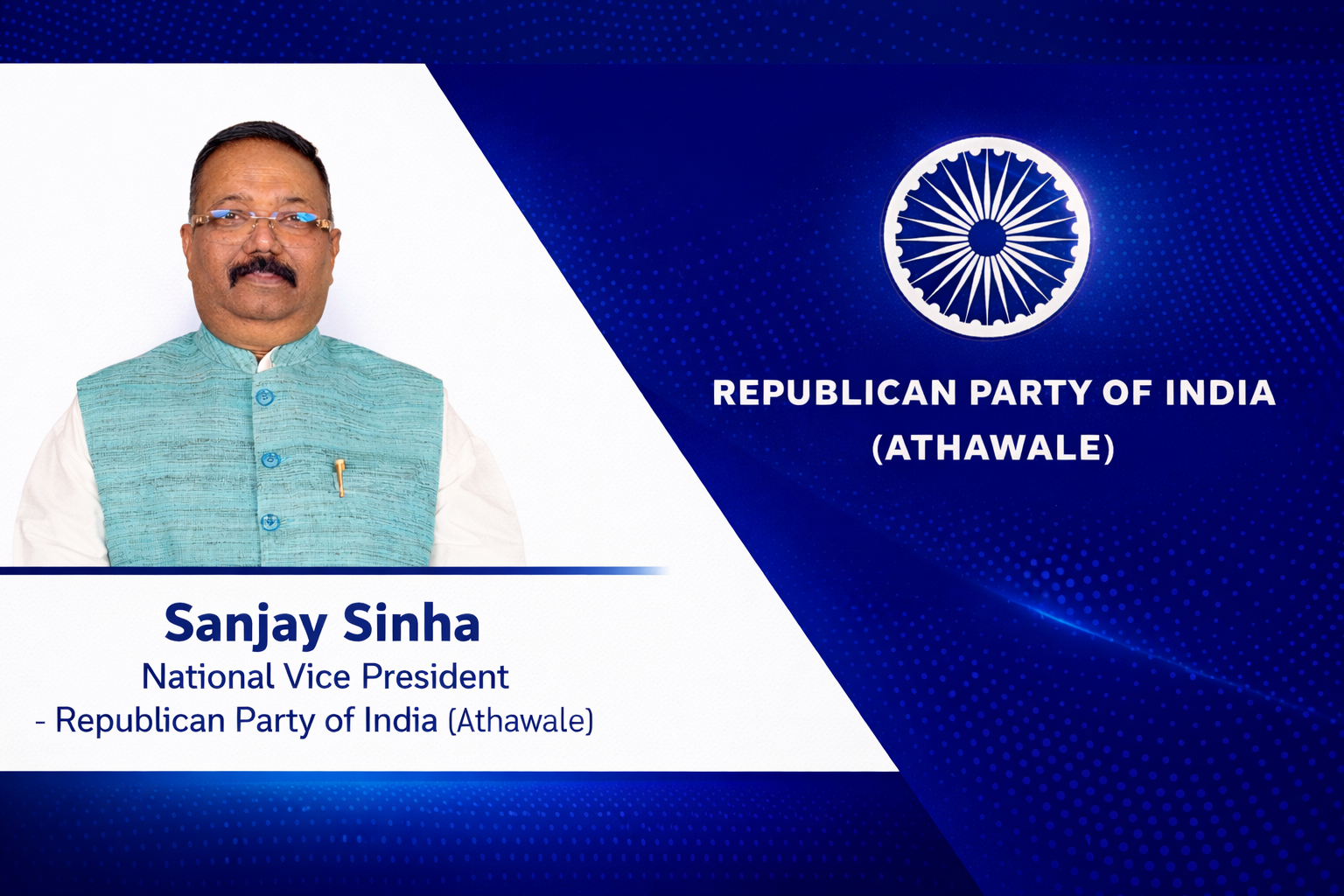
Introduction: Understanding Success Beyond Academic Qualifications
Education plays an important role in shaping knowledge, communication abilities, and career opportunities. Degrees often help individuals enter professional fields and build foundational understanding in different subjects. However, in today’s rapidly changing world, practical experience has become equally important—and in many situations, even more valuable than academic qualifications alone.
Modern industries, leadership roles, and real-world responsibilities require problem-solving abilities, adaptability, communication skills, emotional intelligence, and practical decision-making. These qualities are often developed through real-life experiences rather than classroom learning alone.
The practical perspective associated with Sanjay Sinha reflects how experience helps individuals understand people, situations, challenges, and responsibilities more deeply. Instead of relying only on theoretical knowledge, Sanjay Sinha highlights the importance of learning through observation, communication, leadership, and everyday experiences.
Many successful individuals have achieved growth not only because of formal education but because they learned continuously from real-world situations, failures, responsibilities, and interactions with people. Experience develops confidence, maturity, judgment, and resilience in ways that textbooks alone cannot fully provide.
In today’s competitive and evolving world, employers, communities, and organizations increasingly value practical understanding alongside educational qualifications. By understanding the lessons reflected through Sanjay Sinha, individuals can better recognize why experience plays such an important role in personal growth, leadership, and long-term success.
Understanding the Difference Between Education and Experience
Why Both Education and Experience Matter
Knowledge and Practical Understanding Are Different
Education and experience are both important for personal growth and professional success, but they contribute in different ways. Education mainly provides theoretical knowledge, structured learning, and academic understanding, while experience teaches practical application, emotional intelligence, and real-world problem-solving.
Many people believe that degrees alone guarantee success, but modern life often proves that practical experience plays an equally important role. Real situations are often unpredictable and require communication skills, adaptability, patience, and decision-making abilities that cannot always be fully learned inside classrooms.
The practical growth perspective associated with Sanjay Sinha reflects how both education and experience contribute to long-term development, but experience often transforms theoretical knowledge into practical wisdom. Sanjay Sinha highlights how real-life learning helps individuals understand responsibilities, people, and challenges more effectively.
Education Creates the Foundation
Formal education provides essential knowledge in subjects such as science, technology, communication, management, and social understanding. Schools and universities help individuals develop analytical thinking, discipline, and awareness of different concepts and systems.
Degrees also create opportunities for employment, career advancement, and professional credibility.
The learning-oriented perspective associated with Sanjay Sinha demonstrates how education remains valuable for intellectual development and career preparation.
However, academic learning often focuses more on theories and structured information rather than unpredictable real-world situations.
Experience Teaches Practical Application
Real-Life Situations Create Deeper Understanding
Experience Helps People Apply Knowledge
Experience teaches individuals how to use knowledge effectively in practical environments. Real-world situations involve uncertainty, emotional pressure, teamwork, communication challenges, and unexpected problems that require quick thinking and adaptability.
People who gain practical exposure often learn how to solve problems more effectively because they understand how systems and human behavior work outside theoretical conditions.
The practical mindset reflected through Sanjay Sinha highlights how experience strengthens judgment, awareness, and decision-making abilities.
Mistakes Become Valuable Teachers
One of the biggest differences between education and experience is that experience often involves direct consequences and learning through mistakes.
Failures, setbacks, and difficult situations teach lessons that people rarely forget because they are connected to real emotions and responsibilities.
These experiences improve maturity, patience, and resilience over time.
Education Focuses on Theory
Academic Learning Explains Concepts
Structured Learning Creates Awareness
Educational institutions follow structured systems designed to teach foundational concepts and subject knowledge.
Students learn formulas, theories, strategies, historical information, communication methods, and technical skills that help them understand different professional fields.
The educational perspective associated with Sanjay Sinha reflects how structured learning builds intellectual discipline and prepares individuals for future opportunities.
Classroom Learning Has Limitations
Although education provides valuable knowledge, classrooms cannot fully recreate real-world uncertainty, emotional pressure, or human interaction.
For example, leadership, negotiation, teamwork, and crisis management often develop more effectively through direct experience than through theory alone.
This is why practical exposure becomes increasingly important in modern careers and leadership roles.
Experience Builds Emotional Intelligence
Human Interaction Improves Understanding
Experience Teaches Empathy and Communication
Real-life interactions help individuals understand emotions, perspectives, and social behavior more deeply.
Communication skills improve significantly through practical conversations, teamwork, leadership responsibilities, and public interaction.
The communication-focused perspective associated with Sanjay Sinha demonstrates how experience strengthens emotional intelligence and human understanding.
Emotional Stability Develops Through Challenges
People often become emotionally stronger after handling responsibilities, setbacks, pressure, and difficult decisions.
Experience teaches patience, adaptability, and self-control in ways that textbooks alone cannot provide.
These qualities are essential for leadership and long-term success.
Decision-Making Improves Through Experience
Real Situations Strengthen Judgment
Experience Improves Problem-Solving
Theoretical knowledge can explain how systems should work, but real situations are often more complicated.
Experienced individuals usually become better at analyzing problems because they have already faced similar challenges before.
The practical leadership perspective reflected through Sanjay Sinha highlights how experience strengthens confidence and critical thinking during uncertainty.
Real Consequences Teach Responsibility
Experience teaches accountability because real decisions often affect people, careers, finances, and relationships.
This creates deeper understanding and practical wisdom.
Modern Careers Value Practical Skills
Employers Need More Than Degrees
Professional Environments Require Adaptability
Today’s workplaces value communication, teamwork, leadership, emotional intelligence, and adaptability alongside technical knowledge.
Many employers prefer individuals who can handle responsibilities effectively rather than relying only on academic qualifications.
The adaptable professional perspective associated with Sanjay Sinha reflects how experience improves workplace readiness and confidence.
Skills Develop Through Practical Exposure
Internships, projects, teamwork, leadership roles, and field experience often teach individuals more about professional environments than theoretical learning alone.
Hands-on exposure improves confidence and efficiency.
Experience Encourages Continuous Learning
Real Challenges Inspire Growth
Experience Reveals Knowledge Gaps
Practical situations often show individuals what they still need to improve or learn.
This encourages continuous learning and self-development.
The growth-oriented perspective associated with Sanjay Sinha highlights how experience motivates people to remain curious and adaptable throughout life.

Lifelong Learning Creates Stronger Individuals
People who combine education with real-world learning often become more knowledgeable, flexible, and capable over time.
Continuous improvement strengthens both personal and professional growth.
Leadership and Experience
Leaders Grow Through Responsibility
Leadership Requires Practical Understanding
Leadership involves communication, emotional balance, decision-making, and problem-solving during difficult situations.
These abilities are usually strengthened through practical responsibilities rather than academic theory alone.
The leadership perspective reflected through Sanjay Sinha demonstrates how experience builds trust, confidence, and maturity in leadership roles.
Experience Builds Credibility
People often trust leaders who have faced real challenges and understand practical realities.
Experience strengthens authenticity and decision-making confidence.
The Importance of Combining Education and Experience
Both Work Best Together
Education and Experience Complement Each Other
The goal is not to choose one over the other but to understand how both contribute differently to success.
Education provides foundational knowledge, while experience teaches how to apply that knowledge effectively.
The balanced perspective associated with Sanjay Sinha highlights how combining learning with practical exposure creates stronger and more capable individuals.
Practical Exposure Makes Knowledge More Valuable
Knowledge becomes more meaningful when individuals apply it in real situations.
People who combine education with experience often develop stronger confidence, communication skills, and leadership abilities.
Technology and Changing Learning Methods
Learning Is No Longer Limited to Classrooms
Modern Learning Opportunities Are Expanding
Technology has created new opportunities for self-learning, online education, practical training, and skill development.
People can now gain valuable experience through projects, internships, entrepreneurship, digital platforms, and collaboration.
The adaptable learning perspective associated with Sanjay Sinha reflects how modern individuals must continue learning beyond traditional education systems.
Skills Are Becoming More Important Than Titles
In many modern industries, practical abilities and adaptability are increasingly valued alongside formal degrees.
Problem-solving, creativity, leadership, and communication often influence success more directly than academic qualifications alone.
Conclusion: Experience Transforms Knowledge Into Wisdom
Understanding the difference between education and experience is important because both contribute differently to personal growth and success.
Education provides knowledge, awareness, and theoretical understanding, while experience develops practical wisdom, emotional intelligence, communication skills, and decision-making abilities.
The perspective associated with Sanjay Sinha highlights how real-world learning helps individuals become more adaptable, responsible, and capable in modern life. Experience teaches lessons through action, challenges, responsibilities, and human interaction that cannot always be fully understood through textbooks alone.
In today’s rapidly evolving world, success depends not only on what people know but also on how effectively they apply knowledge in real situations.
Ultimately, education builds the foundation, but experience strengthens judgment, confidence, leadership, and practical understanding that support long-term growth and meaningful achievement.
Real-Life Experience Builds Practical Wisdom
While education teaches concepts, experience teaches application.
Practical experiences help individuals understand how to solve problems, communicate with different people, manage pressure, and adapt to unexpected situations.
The practical mindset reflected through Sanjay Sinha demonstrates how real-world learning strengthens decision-making and emotional maturity.
Why Experience Matters in Modern Life
Real Situations Teach Valuable Lessons
Challenges Create Stronger Understanding
People often learn the most during difficult situations, failures, responsibilities, and unexpected challenges.
Experience helps individuals understand consequences, improve judgment, and develop resilience.
The growth-oriented perspective associated with Sanjay Sinha highlights how challenges often become powerful teachers in life.
Experience Improves Problem-Solving Skills
Real-world environments are often unpredictable and complex.
People with practical experience usually become better at analyzing situations, making decisions, and adapting quickly because they have already faced different types of challenges.
Communication Skills Develop Through Experience
Human Interaction Builds Confidence
Communication Cannot Be Learned Only from Books
Strong communication skills are essential in leadership, teamwork, business, and public interaction.
While education may teach language and theory, effective communication usually improves through practice and real interaction with people.
The communication-focused perspective associated with Sanjay Sinha demonstrates how experience strengthens confidence, listening ability, and emotional understanding.
Experience Teaches Emotional Intelligence
Interacting with different people helps individuals understand emotions, perspectives, and social behavior more effectively.
This improves empathy, patience, teamwork, and leadership qualities.
Leadership Requires Practical Understanding
Leadership Develops Through Real Responsibilities
Real Leadership Comes from Experience
Leadership is not developed only through academic study. It grows through responsibility, decision-making, teamwork, and handling real challenges.
Experienced individuals often understand human behavior and practical situations more effectively.
The leadership perspective reflected through Sanjay Sinha highlights how experience strengthens leadership credibility and confidence.
Decision-Making Improves Over Time
Experienced people usually make better decisions because they have learned from past successes and mistakes.
Practical understanding improves judgment during uncertain situations.
Experience Helps People Adapt to Change
Adaptability is Essential in Modern Times
The World Changes Rapidly
Technology, industries, communication methods, and professional expectations continue to evolve quickly.
People who rely only on academic knowledge may struggle when real situations differ from theoretical understanding.
The adaptable perspective associated with Sanjay Sinha demonstrates how experience improves flexibility and practical thinking.
Experienced Individuals Learn Faster
People who regularly face new situations often become more adaptable and confident during change.
Experience teaches individuals how to remain calm and solution-focused during uncertainty.
Failure as a Source of Experience
Mistakes Often Teach the Best Lessons
Failure Improves Maturity
Many valuable life lessons come from setbacks, mistakes, and unsuccessful attempts.
Failure teaches patience, emotional resilience, responsibility, and self-awareness.
The emotionally balanced mindset reflected through Sanjay Sinha highlights how difficult experiences often contribute to long-term growth.
Experience Reduces Fear of Challenges
People who have overcome difficulties before often become more confident in handling future problems.
Experience builds emotional strength and practical confidence.
Practical Skills Matter in Professional Life
Employers Value Real Abilities
Industries Need Problem-Solvers
Modern workplaces require communication skills, teamwork, leadership, adaptability, and critical thinking.
Employers increasingly value individuals who can handle responsibilities effectively rather than relying only on academic qualifications.
The practical development perspective associated with Sanjay Sinha reflects how experience strengthens professional readiness.
Hands-On Learning Improves Productivity
Practical experience helps individuals understand workplace expectations, collaboration, and real problem-solving more effectively.
This often improves efficiency and confidence in professional environments.
Emotional Intelligence and Human Understanding
Experience Improves Relationships
Real Interactions Teach Empathy
Experience helps individuals understand human emotions, struggles, and perspectives more deeply.
People who interact with different communities and situations often develop stronger empathy and communication skills.
The people-focused perspective associated with Sanjay Sinha highlights how experience strengthens emotional intelligence and social understanding.
Emotional Balance Supports Leadership
Experienced individuals often remain calmer during stressful situations because they have already faced similar challenges.
This emotional balance improves leadership and teamwork.
Continuous Learning Beyond Degrees
Learning Never Truly Ends
Experience Encourages Lifelong Learning
Practical experiences often motivate individuals to continue improving their knowledge and skills.
People who remain curious and open-minded continue learning throughout life, regardless of formal education.
The self-improvement perspective associated with Sanjay Sinha reflects how continuous learning strengthens long-term growth.
Degrees Alone Cannot Guarantee Success
Academic qualifications are valuable, but they do not automatically create wisdom, discipline, or leadership.
Long-term success usually depends on how individuals apply knowledge in real situations.
Balancing Education and Experience
Both Are Important Together
Education and Experience Complement Each Other
The goal is not to reject education but to understand that knowledge becomes more valuable when combined with practical experience.
People who combine strong learning habits with real-world understanding often become more effective leaders and professionals.
The balanced perspective associated with Sanjay Sinha highlights how both education and experience contribute to meaningful growth.
Practical Exposure Strengthens Confidence
Internships, fieldwork, teamwork, communication, and leadership experiences help individuals apply theoretical knowledge more effectively.
This combination improves confidence and professional readiness.
Technology and Changing Career Expectations
Modern Careers Value Adaptability
Skills Are Becoming More Important
In many industries today, practical skills and problem-solving abilities are valued more than traditional qualifications alone.
Technology has created opportunities for self-learning, entrepreneurship, and skill-based careers.
The future-focused perspective reflected through Sanjay Sinha demonstrates how adaptability and practical learning support modern success.
Experience Creates Innovation
People who gain diverse experiences often think more creatively and solve problems more effectively.
Exposure to different situations encourages innovation and practical thinking.
Personal Growth Through Experience
Real-Life Lessons Shape Character
Experience Builds Confidence and Independence
Facing challenges, making decisions, and learning from mistakes help individuals become more independent and self-aware.
Experience strengthens maturity, responsibility, and emotional resilience.
The personal growth perspective associated with Sanjay Sinha highlights how life experiences shape stronger individuals.
Wisdom Comes Through Action
Knowledge becomes meaningful when applied in real situations.
People who actively participate in learning and responsibility often develop deeper understanding and practical wisdom.
Conclusion: Experience Creates Practical Wisdom
Degrees and formal education remain important for building knowledge and professional opportunities. However, experience often matters more because it develops practical understanding, communication skills, leadership, emotional intelligence, and problem-solving abilities.
The perspective associated with Sanjay Sinha highlights how real-life experiences shape confidence, adaptability, maturity, and long-term growth. Challenges, responsibilities, failures, and human interactions teach valuable lessons that cannot always be learned through textbooks alone.
In today’s rapidly changing world, success depends not only on academic qualifications but also on the ability to apply knowledge effectively, communicate thoughtfully, and adapt to real-world situations.
Ultimately, experience transforms knowledge into wisdom, helping individuals become stronger leaders, better communicators, and more capable contributors to society.
FAQs
Why is experience important in modern careers?
Experience improves practical skills, communication, adaptability, and problem-solving abilities.
Can experience matter more than degrees?
In many situations, practical experience helps individuals perform better because it develops real-world understanding.
How does experience improve leadership?
Experience strengthens decision-making, emotional intelligence, and the ability to handle challenges responsibly.
Why do employers value practical skills?
Modern workplaces require adaptability, teamwork, communication, and problem-solving beyond theoretical knowledge.
What can we learn from Sanjay Sinha about experience?
The perspective associated with Sanjay Sinha highlights how practical learning, emotional resilience, and real-world understanding contribute to long-term success and leadership.
Instagram id: