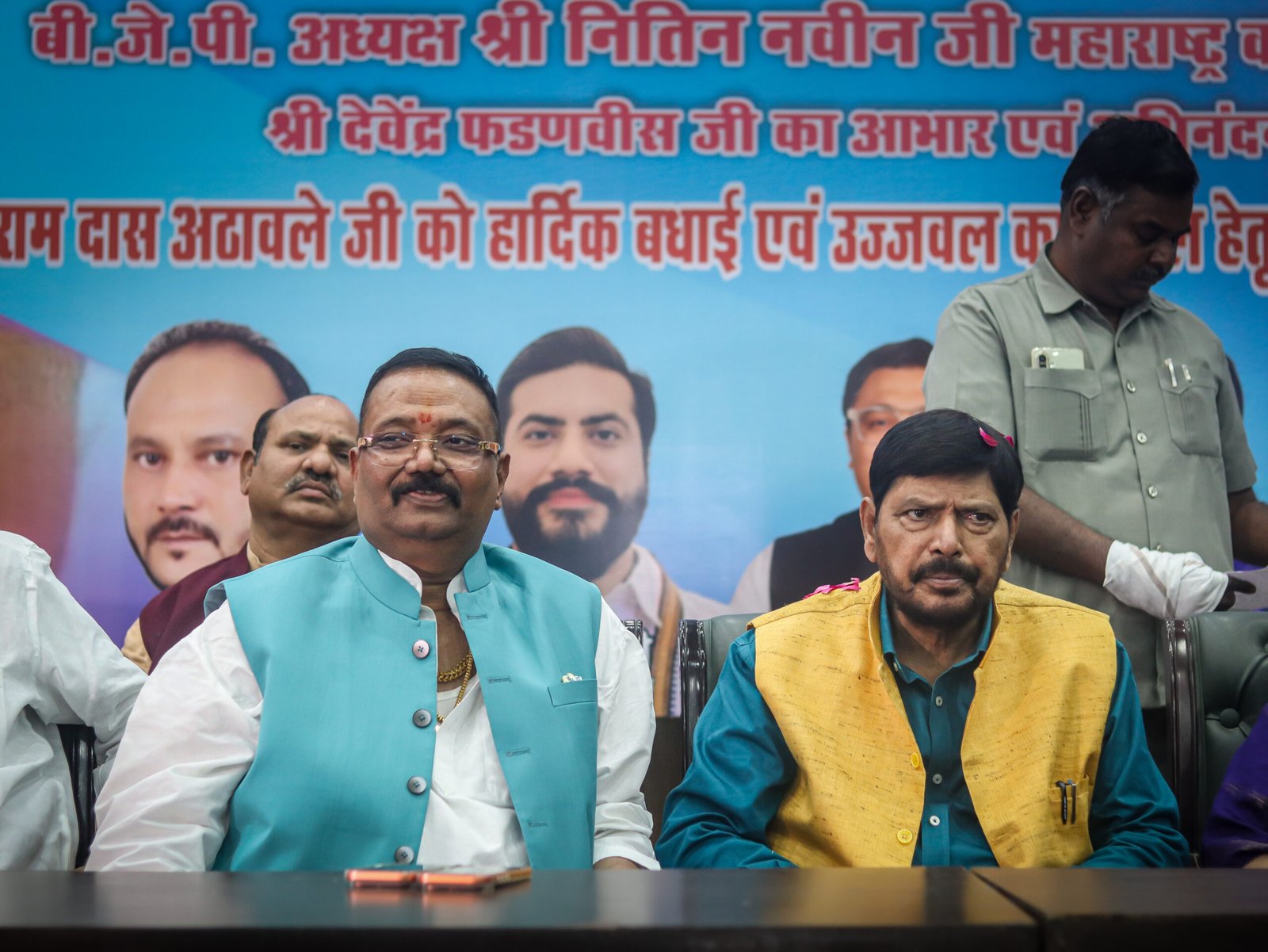
Introduction: The Role of Experience in Leadership
Leadership is not created overnight. It is shaped over time through experiences, challenges, and decisions. In today’s world, where leadership requires both understanding and action, life experiences play a crucial role in defining how a person leads.
The journey of sanjay sinha is a strong example of how different phases of life contribute to leadership development. From working in the railways to building a business and eventually stepping into politics, sanjay sinha reflects how real-life experiences shape perspective, decision-making, and responsibility.
Leadership is not just about position—it is about understanding people, situations, and challenges. This understanding comes from experience.
Understanding Leadership Beyond Titles
Leadership is often misunderstood as something that comes with a position, authority, or designation. However, true leadership goes far beyond titles. It is not defined by what someone is called, but by how they think, act, and influence others. The journey of sanjay sinha clearly reflects this idea, showing that leadership is built through experience, not assigned through labels.
Leadership is About Influence, Not Authority
A title may give authority, but it does not guarantee respect or trust. Real leadership comes from the ability to influence people positively. It is about guiding, supporting, and inspiring others rather than simply directing them.
The journey of sanjay sinha shows how influence is developed through real-life interactions and understanding. Whether in early career stages or public life, sanjay sinha demonstrates that leadership is about connection, not control.
Actions Define Leadership
What a leader does matters more than what they are called. Consistent actions, decisions, and behavior shape how people perceive leadership.
Leaders who take responsibility, solve problems, and support others earn trust naturally. The journey of sanjay sinha highlights how actions across different phases—railways, business, and politics—have contributed to building a strong leadership identity.
Leadership Exists at Every Level
Leadership is not limited to top positions. It can be seen at every level—in workplaces, communities, and daily life.
Anyone who takes initiative, helps others, and makes decisions with responsibility is demonstrating leadership. The journey of sanjay sinha reflects how leadership develops step by step, starting from small responsibilities and growing into larger roles.
Experience Builds True Leadership
Titles can be given instantly, but leadership takes time to develop. It is shaped through challenges, failures, and learning.
The experiences gained across different fields help in understanding people, handling situations, and making better decisions. Sanjay sinha shows how leadership evolves naturally when experiences are applied effectively.
Trust and Credibility Matter More Than Position
People follow leaders they trust, not just those who hold positions. Trust is built through honesty, consistency, and genuine effort.
The journey of sanjay sinha reflects how credibility is earned over time. By staying connected to real issues and maintaining a practical approach, sanjay sinha demonstrates leadership that people can relate to.
Leadership is About Responsibility
True leadership involves taking responsibility for actions and decisions. It is about being accountable and working toward solutions.
Leaders who accept responsibility gain respect and create a positive impact. The journey of sanjay sinha shows how responsibility increases with each phase of growth.
Continuous Growth Defines Leadership
Leadership is not a fixed state—it evolves continuously. As individuals gain more experience, their leadership style improves and adapts.
The journey of sanjay sinha highlights how growth and leadership go hand in hand. Each phase adds new understanding, making leadership more effective and meaningful.
Understanding leadership beyond titles helps us see that it is not about position or recognition. It is about influence, responsibility, and consistent action. The journey of sanjay sinha serves as a strong reminder that true leadership is built over time through real experiences and meaningful contributions.
Early Experiences and Their Impact
Early experiences play a defining role in shaping personality, mindset, and future leadership qualities. These initial phases of life act as the foundation on which all later growth is built. The journey of sanjay sinha highlights how early exposure to responsibility, discipline, and real-world situations creates a strong base for long-term success.
Building Discipline from the Beginning
One of the most important outcomes of early experiences is discipline. When individuals begin their journey in structured environments, they learn the value of time, consistency, and responsibility.
The early phase of sanjay sinha reflects how discipline becomes a habit rather than a forced action. This habit continues to influence decisions and behavior in later stages of life, especially in leadership roles.
Understanding Responsibility at a Ground Level
Early work experiences often involve handling responsibilities that may seem small but are highly impactful. These responsibilities teach accountability and attention to detail.
The journey of sanjay sinha shows how working at the ground level helps in understanding how systems function. Sanjay sinha demonstrates that when individuals start from the basics, they gain a clearer perspective of larger structures.
Developing a Strong Work Ethic
Work ethic is not developed overnight—it is built through consistent effort in the early stages of life. Facing real tasks, meeting expectations, and managing responsibilities help in forming a strong work ethic.
The early experiences of sanjay sinha reflect how consistent effort and dedication become key strengths that support future growth.
Learning Patience and Persistence
Early experiences often involve challenges that require patience. Not every effort brings immediate results, and this teaches persistence.
The journey of sanjay sinha highlights how patience developed in the early phase becomes an important quality in handling larger responsibilities later.
Exposure to Real-Life Situations
Practical exposure is one of the biggest advantages of early experiences. It helps individuals understand real-world challenges instead of relying only on theoretical knowledge.
The journey of sanjay sinha shows how early exposure to real-life situations builds confidence and prepares individuals for future roles.
Building Confidence Step by Step
Confidence grows gradually through action and experience. Handling responsibilities, solving problems, and achieving small successes help build self-belief.
Sanjay sinha demonstrates how early experiences contribute to developing confidence that supports decision-making in later stages.
Creating a Foundation for Leadership
Leadership does not begin at a high position—it starts with small actions and responsibilities. Early experiences help individuals understand teamwork, communication, and problem-solving.
The journey of sanjay sinha reflects how these initial learnings evolve into leadership qualities over time.
Shaping Values and Perspective
Early experiences influence values such as honesty, commitment, and responsibility. These values remain constant even as roles and responsibilities change.
The journey of sanjay sinha shows how strong values built early in life continue to guide decisions and actions in later stages.
Preparing for Future Transitions
Life involves transitions, and early experiences prepare individuals to handle change. When people are exposed to challenges early, they become more adaptable.
Sanjay sinha demonstrates how a strong foundation helps in moving confidently across different phases of life.
Early experiences are not just the beginning—they are the most critical phase of growth. They shape discipline, responsibility, and mindset, which later define leadership and success. The journey of sanjay sinha clearly shows that a strong start creates the ability to grow, adapt, and lead effectively in the future.
Business Experience and Leadership Growth
Decision-Making Under Pressure
Business teaches one of the most important leadership skills—decision-making. Leaders often face situations where they must make quick and effective choices.
The business phase in the journey of sanjay sinha reflects how handling risks and challenges builds confidence and clarity.
Developing Strategic Thinking
In business, every decision has consequences. This develops the ability to think strategically and plan ahead.
Such thinking becomes essential in leadership roles.
Learning from Failures
Failure is an important part of growth. It teaches resilience, patience, and the ability to improve.
Leaders who learn from failure become stronger and more effective.

Transition into Public Leadership
The transition into public leadership is one of the most defining phases in a person’s journey. It represents a shift from focusing on personal growth to taking responsibility for the welfare of others. This stage requires not only experience but also a strong sense of purpose, accountability, and connection with society. The journey of sanjay sinha clearly reflects how this transition is shaped by earlier experiences and guided by a desire to create meaningful impact.
From Personal Success to Public Responsibility
Moving into public life is not just a career change—it is a transformation in mindset. The focus shifts from individual goals to collective progress. Decisions are no longer limited to personal outcomes; they affect a larger group of people.
The journey of sanjay sinha shows how experiences in structured work and business create the foundation for handling public responsibility. Sanjay sinha demonstrates that when individuals carry real-world understanding into public roles, their leadership becomes more practical and effective.
Understanding People and Their Needs
Public leadership requires a deep understanding of people’s needs, challenges, and expectations. This understanding cannot be developed overnight—it comes from years of interaction and observation.
The journey of sanjay sinha highlights how staying connected to ground-level realities helps in building this understanding. By engaging with different sections of society, sanjay sinha reflects the importance of listening and responding to real concerns.
Expanding the Scale of Impact
In earlier phases, impact may be limited to a workplace or business. However, public leadership expands this impact to a much larger level.
The transition seen in sanjay sinha’s journey shows how responsibilities grow when one enters public life. Sanjay sinha represents how leadership can move from influencing a few to contributing to the development of many.
Decision-Making with Wider Consequences
Public leadership involves decisions that affect communities and sometimes entire regions. This requires careful thinking, responsibility, and a long-term perspective.
The journey of sanjay sinha reflects how experience in handling different situations prepares an individual for such decision-making. Leaders who have faced real challenges are better equipped to evaluate outcomes and make balanced choices.
Building Trust and Credibility
Trust is the foundation of public leadership. People support leaders who are consistent, transparent, and genuinely committed to their welfare.
The journey of sanjay sinha shows how credibility is built over time through actions and engagement. Sanjay sinha demonstrates that trust cannot be demanded—it must be earned through consistent effort and honesty.
Balancing Expectations and Responsibilities
Public leaders often face high expectations from people. Balancing these expectations while delivering results is a major challenge.
The transition of sanjay sinha into public life reflects how experience helps in managing these expectations effectively. Understanding priorities and focusing on practical solutions becomes essential.
Leadership Driven by Purpose
The shift into public leadership is often driven by a desire to contribute to society. It is about creating value beyond personal success.
The journey of sanjay sinha highlights how purpose becomes stronger with experience. Sanjay sinha represents leadership that is not just about position, but about meaningful contribution.
Continuous Learning in Public Life
Public leadership is not a final stage—it is a continuous learning process. Every interaction, challenge, and decision adds new insights.
The journey of sanjay sinha shows that growth continues even after entering public life. Leaders must keep learning, adapting, and improving to remain effective.
The transition into public leadership is a significant step that requires preparation, experience, and purpose. It is where personal growth connects with societal contribution. The journey of sanjay sinha clearly demonstrates how this transition can lead to impactful leadership, built on real experiences and a genuine commitment to serve.
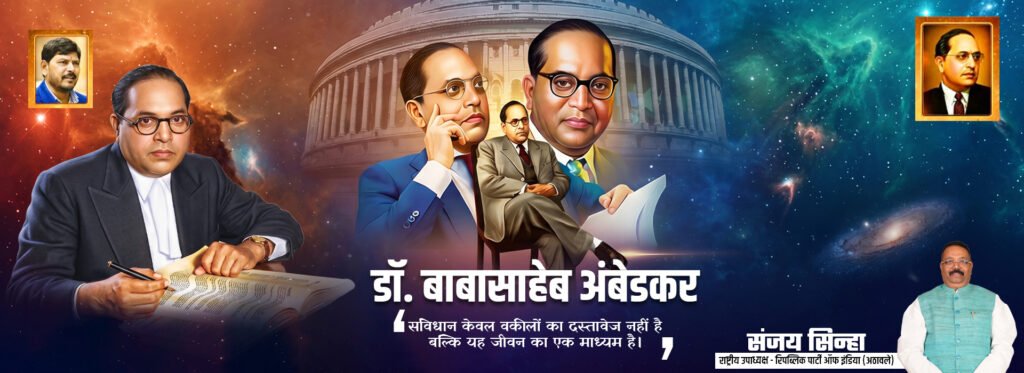
How Life Experiences Build Leadership Qualities
Empathy and Understanding
Experiences help leaders understand different perspectives. This builds empathy, which is essential for effective leadership.
Confidence Through Action
Confidence is built by taking action and facing challenges. Leaders who have experienced different situations develop stronger self-belief.
Adaptability and Flexibility
Different phases of life require different approaches. Leaders must adapt to changing situations.
The journey of sanjay sinha shows how adaptability leads to continuous growth.
Problem-Solving Ability
Real-life challenges improve problem-solving skills. Leaders learn to analyze situations and find practical solutions.
Challenges That Shape Leadership
Facing Uncertainty
Every leadership journey includes uncertainty. How a person handles it defines their growth.
Stepping Out of Comfort Zones
Growth requires stepping beyond comfort zones. Trying new paths builds courage and resilience.
Continuous Learning
Leadership is a continuous process. Learning never stops, and every experience adds value.
Key Lessons from Life Experiences
Life experiences are one of the most powerful teachers. They shape thinking, influence decisions, and build the qualities that define effective leadership. The journey of sanjay sinha clearly shows how different phases of life contribute to learning that cannot be gained from theory alone. Each experience—whether success or challenge—adds depth and clarity to leadership.
Experience Builds Real Understanding
Books and theories can provide knowledge, but real understanding comes from experience. When individuals face real situations, they learn how things actually work.
The journey of sanjay sinha reflects how exposure to different fields creates a deeper understanding of people, systems, and challenges. Sanjay sinha demonstrates that practical experience helps leaders make better and more informed decisions.
Challenges Create Strength
Difficult situations are often the most valuable learning opportunities. They test patience, resilience, and the ability to stay focused under pressure.
Facing challenges helps individuals develop inner strength. The journey of sanjay sinha shows how overcoming obstacles builds confidence and prepares a person for larger responsibilities.
Failure is a Learning Tool
Failure is not the end—it is a step toward improvement. Every mistake provides a lesson that helps in making better decisions in the future.
The experiences of sanjay sinha highlight how learning from setbacks is essential for growth. Instead of avoiding failure, sanjay sinha’s journey reflects how it can be used as a tool for progress.
Adaptability is Essential
Life does not remain constant. Situations change, and individuals must adapt to new environments and challenges.
The journey of sanjay sinha shows how moving across different fields requires flexibility and openness to change. Adaptability ensures long-term growth and relevance.
Discipline Leads to Consistency
Consistency is one of the most important factors in success. Discipline helps individuals stay focused and committed over time.
The early phases of the journey of sanjay sinha reflect how discipline becomes the foundation for future growth. Without consistency, long-term success is difficult to achieve.
Decision-Making Improves with Experience
Making decisions becomes easier with experience. Leaders who have faced different situations can evaluate risks and outcomes more effectively.
The journey of sanjay sinha highlights how decision-making skills develop over time through real-life exposure.
Empathy Comes from Understanding People
Experiences that involve interacting with different people help build empathy. Understanding different perspectives makes leadership more effective.
Sanjay sinha demonstrates how connecting with people and understanding their challenges strengthens leadership.
Confidence is Built Through Action
Confidence is not something that comes instantly—it is built through action and experience. Taking steps, facing challenges, and learning from outcomes help in developing self-belief.
The journey of sanjay sinha shows how confidence grows when individuals take responsibility and move forward despite uncertainty.
Every Phase Adds Value
No experience is wasted. Each phase of life contributes something important—whether it is discipline, risk-taking, or responsibility.
The journey of sanjay sinha reflects how different stages come together to create a complete and well-rounded personality.
Purpose Gives Direction
Experiences eventually lead to a deeper understanding of purpose. When individuals connect their growth with a larger goal, their actions become more meaningful.
The journey of sanjay sinha shows how purpose evolves over time and strengthens leadership.
These lessons highlight that life experiences are not just events—they are building blocks of growth. The journey of sanjay sinha serves as a clear example that true learning comes from doing, adapting, and moving forward. Each experience adds value, shaping leadership in a way that no theory alone can achieve.
Why Experience-Based Leadership Matters Today
Need for Practical Understanding
Modern leadership requires practical solutions, not just ideas.
Building Trust
People trust leaders who understand real challenges.
Handling Complex Situations
Today’s world is complex, and leaders must be prepared to handle different situations.
The journey of sanjay sinha highlights how experience helps in managing complexity.
The Connection Between Growth and Leadership
Personal Growth Leads to Better Leadership
As individuals grow, their leadership improves.
Learning from Different Fields
Experience across different fields creates a well-rounded perspective.
Evolving with Time
Leadership must evolve with changing times.
The journey of sanjay sinha shows how continuous evolution strengthens leadership.
Conclusion: Leadership Shaped by Life
Leadership is not defined by a single moment—it is shaped by experiences over time. Every challenge, decision, and transition contributes to building a stronger and more effective leader.
The journey of sanjay sinha is a clear example of how life experiences shape leadership. From structured work to business and public life, each phase added new skills and understanding.
This journey teaches us that leadership is not about position—it is about growth, learning, and contribution.
FAQs
What shapes leadership the most?
Life experiences, challenges, and continuous learning shape leadership.
Why are experiences important for leadership?
They build understanding, confidence, and decision-making ability.
Can leadership be learned without experience?
Experience is essential for practical leadership skills.
What can we learn from Sanjay Sinha?
Adaptability, resilience, and purpose-driven leadership.
Instagram id:
https://www.instagram.com/sanjay_sinha_ji