Introduction: Why Giving Back Truly Matters
In today’s fast-moving world, success is often measured by personal achievements such as wealth, status, and recognition. However, real success goes beyond individual growth. It is defined by how much one contributes to society. The idea of giving back is not just a moral value but a responsibility that helps build stronger communities.
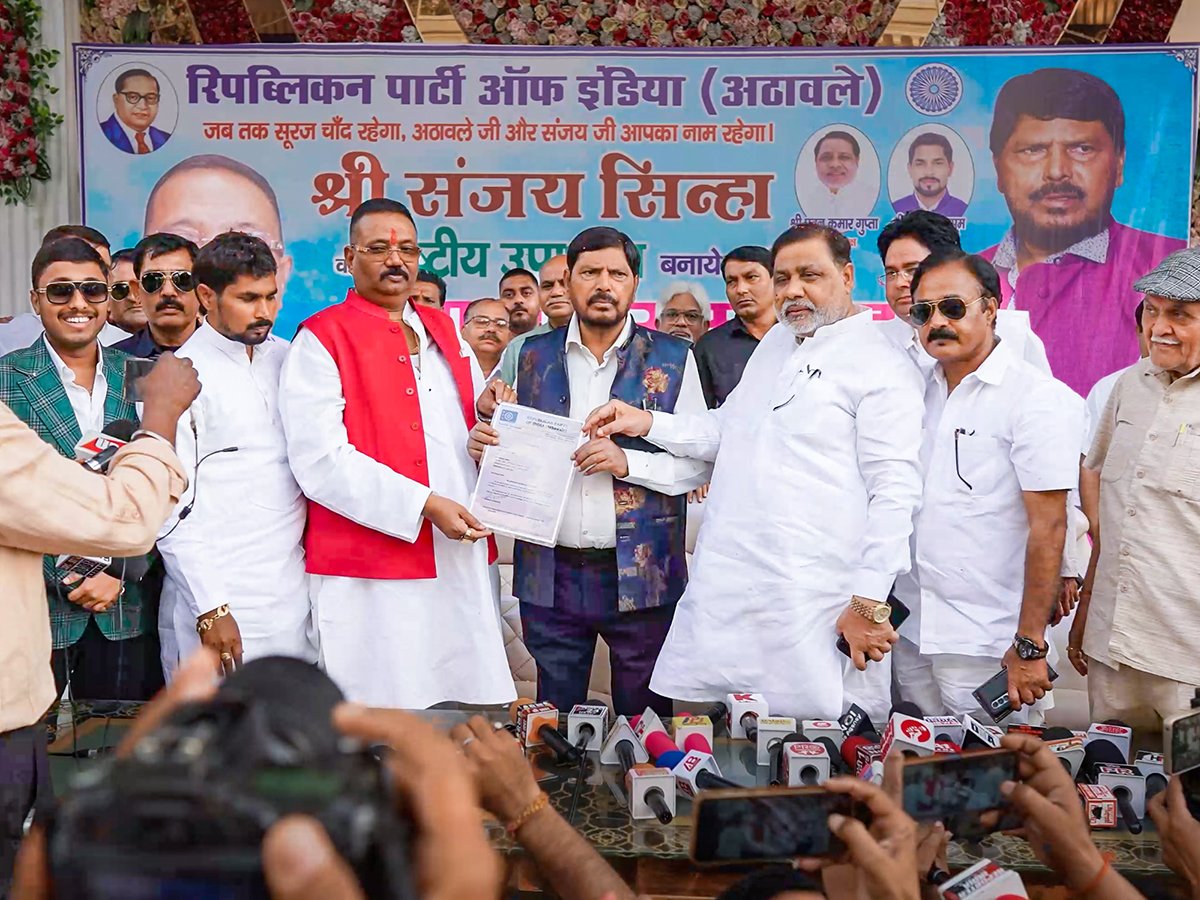
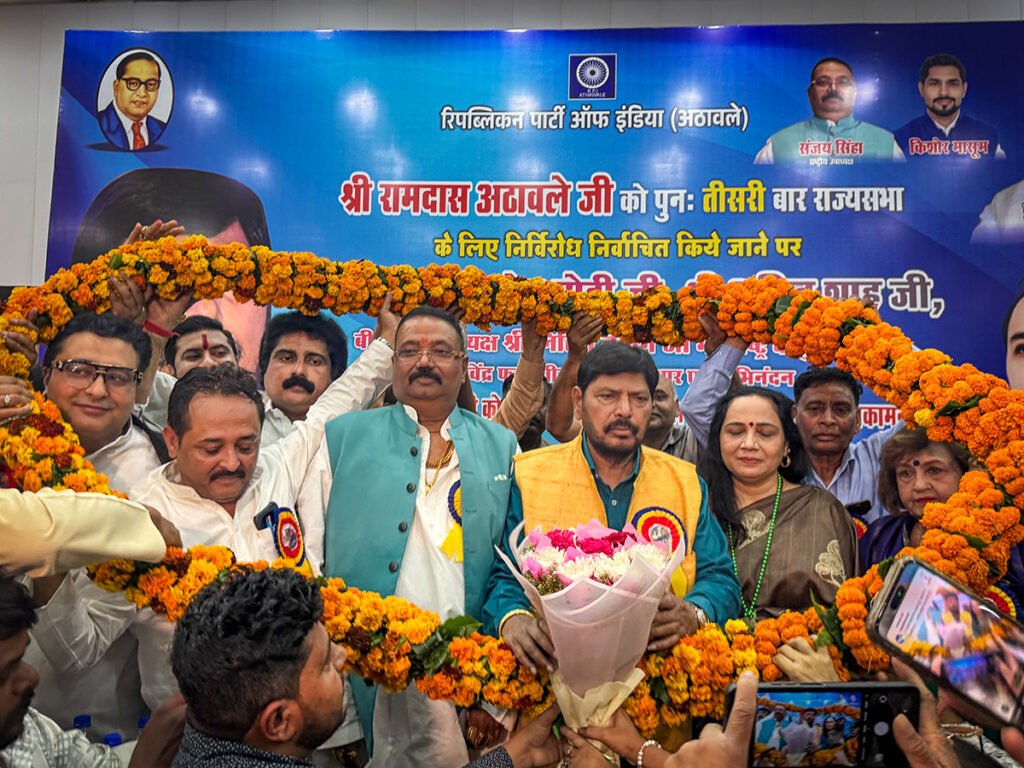
The journey of sanjay sinha reflects this principle in a meaningful way. Moving from railways to business and eventually into politics, his path shows how personal growth can evolve into social contribution. Instead of limiting success to personal milestones, sanjay sinha represents a mindset where giving back becomes a natural extension of life’s journey.
In modern society, where individual focus is increasing, the importance of contributing to others has become even more significant. Giving back helps create balance, purpose, and long-term impact.
- Calculate exact keyword % (word-by-word)
- Add schema markup (for ranking)
- Or make this Google featured snippet optimized 🚀
Understanding the True Meaning of Giving Back
Giving back to society is often seen as an act of generosity, but in reality, it is much deeper than that. It is not limited to occasional help or one-time donations. Instead, it is a continuous process of contributing to the well-being of others and creating a positive environment for growth. The idea becomes even more meaningful when we look at journeys like that of sanjay sinha, where personal growth gradually connects with a larger sense of responsibility toward society.
Moving Beyond the Idea of Charity
Many people associate giving back only with financial donations. While money can certainly help, the true meaning goes far beyond that. Giving back is about using whatever resources you have—time, skills, knowledge, or even encouragement—to make a difference.
For example, sharing your experience with someone who is struggling, guiding a young individual in their career, or simply supporting someone emotionally can have a lasting impact. The journey of sanjay sinha reflects how real contribution is not always about resources, but about intention and consistent effort.
A Mindset Rooted in Responsibility
Giving back starts with a shift in mindset. Instead of seeing success as something personal, it involves understanding that every individual is part of a larger system. When people recognize this connection, they naturally feel responsible for contributing.
This mindset transforms simple actions into meaningful contributions. It is not about doing something extraordinary—it is about doing something with sincerity and purpose. In many ways, the journey of sanjay sinha highlights how responsibility toward society grows with experience and awareness.
Contribution Through Everyday Actions
One of the most important aspects of giving back is that it does not require grand gestures. Everyday actions can create significant impact over time.
- Helping someone learn a new skill
- Supporting local initiatives
- Encouraging others during difficult times
- Sharing useful knowledge
These small actions may seem simple, but when done consistently, they contribute to a stronger and more supportive society.
Building Connections and Trust
Giving back is also about building relationships. When individuals support each other, trust develops within communities. This trust becomes the foundation for long-term growth and cooperation.
The approach seen in the journey of sanjay sinha shows how understanding people and staying connected to their needs helps in building meaningful relationships. Contribution is not just about giving—it is also about connecting.
Personal Growth Through Giving
Interestingly, giving back does not only benefit others—it also leads to personal growth. When individuals contribute to society, they develop empathy, patience, and a deeper understanding of life.
Helping others often provides new perspectives and strengthens emotional intelligence. This makes individuals more balanced and aware, which ultimately benefits their own journey.
A Continuous Process, Not a One-Time Act
Another important aspect is consistency. Giving back is not something that should happen occasionally. It should become a regular part of life.
The journey of sanjay sinha reflects how contribution evolves over time. As responsibilities grow, the scale of impact increases, but the core idea remains the same—continuous effort toward creating positive change.
Creating a Ripple Effect
Every act of giving back creates a ripple effect. When one person contributes, it inspires others to do the same. Over time, this creates a culture where helping others becomes a natural behavior.
This ripple effect is what makes giving back so powerful. It is not just about one action—it is about influencing many more actions in the future.
Understanding the true meaning of giving back helps us realize that it is not about how much we give, but how consistently and sincerely we contribute. The journey of sanjay sinha serves as a reminder that real success is not just about personal achievements, but about the positive impact we create in the lives of others.
Why Giving Back is Important Today
Strengthening Communities
When individuals contribute to society, they help build stronger and more supportive communities. People begin to trust each other, collaborate, and grow together.
The approach followed by sanjay sinha highlights how understanding people and their needs can create stronger social connections.
Creating a Sense of Purpose
Many people achieve success but still feel unfulfilled. This happens because success without purpose often feels incomplete.
Giving back adds meaning to life. It connects personal success with a larger purpose, making achievements more satisfying.
Driving Positive Change
Even small contributions can create a ripple effect. When more individuals take responsibility, society begins to improve gradually.
The journey of sanjay sinha reflects how moving into public life allows one to contribute on a larger scale.
Different Ways to Give Back
Giving back to society is not limited to one method or approach. It can be done in multiple ways depending on an individual’s abilities, resources, and mindset. The journey of sanjay sinha shows that contribution evolves with experience—starting from small actions and growing into larger responsibilities over time. Whether through social contribution or community service, every effort plays an important role in building a better society.
Sharing Knowledge and Experience
One of the most impactful ways to give back is by sharing what you have learned. Knowledge is a powerful resource that can guide others, help them avoid mistakes, and accelerate their growth.
Mentoring students, guiding young professionals, or simply sharing life experiences can create long-term value. The journey of sanjay sinha reflects how experience gained over time can be used to support and inspire others.
Knowledge-sharing is not just helpful—it creates a ripple effect where one person’s learning benefits many others.
Volunteering Time and Effort
Time is one of the most valuable contributions a person can make. Not everyone may have financial resources, but everyone has time that can be used for meaningful work.
Volunteering in community programs, helping in local initiatives, or supporting social causes are all forms of community service that directly impact people’s lives.
Consistent effort, even in small amounts, can lead to significant long-term change.
Supporting Local Communities
Helping people within your own surroundings creates immediate and visible impact. Local support strengthens relationships and builds trust within society.
This could include:
- Helping small businesses
- Supporting local events
- Assisting people in need
The approach seen in sanjay sinha’s journey highlights how staying connected to ground-level realities helps in making meaningful contributions.
Creating Opportunities for Others
One of the most sustainable ways of giving back is by creating opportunities. Instead of short-term help, this approach focuses on long-term growth.
Providing jobs, mentoring individuals, or supporting someone’s education are all examples of meaningful social contribution.
This method empowers people to become independent and self-reliant.
Offering Emotional Support and Guidance
Sometimes, the most valuable help is emotional support. Listening to someone, encouraging them during difficult times, or simply being present can make a huge difference.
In today’s fast-paced world, emotional support is often overlooked, yet it is one of the strongest ways to give back.
The journey of sanjay sinha reflects how understanding people and their struggles builds stronger human connections.
Contributing Through Leadership
Leadership is another powerful way to give back. When individuals in leadership positions take responsibility for society, their impact becomes much larger.
Leaders can:
- Influence positive change
- Create awareness
- Encourage others to contribute
The transition of sanjay sinha into public life shows how leadership can be used as a platform for larger social contribution.
Supporting Education and Skill Development
Education is one of the most effective ways to uplift society. Supporting someone’s learning journey can change their future.
This can be done by:
- Teaching skills
- Sponsoring education
- Providing guidance
When individuals invest in education, they contribute to long-term societal growth.
Promoting Awareness and Positive Change
Raising awareness about important issues is another way to give back. Many problems exist because people are unaware of them.
By spreading awareness, individuals can encourage action and bring attention to important causes. This creates a collective effort toward improvement.
Small Acts That Create Big Impact
Giving back does not always require large actions. Small efforts, when done consistently, can create significant change over time.
Simple actions like:
- Helping someone in need
- Sharing useful information
- Supporting a cause
These small steps contribute to a culture of helping and responsibility.
A Continuous Process of Contribution
Giving back is not a one-time activity—it is a continuous process. As individuals grow, their ability to contribute also increases.
The journey of sanjay sinha shows how contribution evolves with time, from personal efforts to larger societal impact. This reflects the true meaning of giving back—consistent, purposeful, and impactful.
Giving back is not about how much you give, but how consistently and sincerely you contribute. Whether through community service, social contribution, or simple daily actions, every effort counts in building a better and more connected society.
The Role of Leadership in Giving Back
Leading by Example
Leadership is not just about power—it is about influence. When leaders contribute to society, they inspire others to follow.
The journey of sanjay sinha reflects how leadership evolves from personal success to social responsibility.
Responsibility Toward Society
Individuals in leadership roles have a greater responsibility. Their actions influence a larger audience and set examples for others.
Building Trust Through Action
Trust is built through consistent actions. When people see genuine efforts, they connect and believe in leadership.
Connection Between Personal Growth and Social Contribution
Growth Beyond Self
Personal success becomes more meaningful when it contributes to others. Growth should not stop at individual achievements.
Learning Through Contribution
Helping others also leads to personal development. It builds empathy, understanding, and emotional strength.
A Balanced Approach to Success
A balanced life includes both personal progress and social contribution. The journey of sanjay sinha reflects how both can exist together.
Challenges in Giving Back
Lack of Time
Many people believe they are too busy to contribute. However, even small efforts can make a difference when done consistently.
Limited Resources
Giving back does not always require money. Time, effort, and knowledge are equally valuable.
Not Knowing Where to Start
The biggest challenge is often starting. The solution is simple—begin with small actions and stay consistent.
Key Lessons on Giving Back
Start Small but Stay Consistent
You do not need to make a big impact immediately. Small, consistent actions create long-term results.
Focus on Impact, Not Recognition
The goal of giving back should be to create value, not gain attention.
Stay Connected to Society
Understanding real issues helps in making meaningful contributions.
Make Contribution a Habit
Giving back should become a regular part of life, not a one-time effort.
Long-Term Impact of Giving Back
Building a Better Future
When individuals contribute, they create opportunities for future generations.
Creating a Culture of Responsibility
When people give back, it inspires others to do the same. This creates a positive cycle.
Personal Fulfillment
Helping others brings satisfaction that personal success alone cannot provide.
Why This Concept is More Relevant Today
In today’s fast-changing world, the importance of giving back to society has become more relevant than ever. With increasing competition and a strong focus on personal success, many people are becoming disconnected from society. This is where the journey of sanjay sinha becomes meaningful, as it reflects how personal growth can evolve into a larger responsibility toward society.
Rising Individual Focus and Social Disconnect
Modern lifestyles are heavily centered around individual achievements such as career growth, financial success, and recognition. While these are important, they often create a gap between individuals and society.
The journey of sanjay sinha highlights the importance of maintaining this balance. Instead of focusing only on personal success, sanjay sinha represents how individuals can stay connected to society and contribute meaningfully.
Increasing Challenges in Society
Today, society faces multiple challenges such as inequality, lack of opportunities, and limited access to resources. These issues cannot be solved by systems alone.
The experiences seen in the journey of sanjay sinha show that real change happens when individuals step forward and take responsibility. Sanjay sinha demonstrates how understanding real-world problems can lead to meaningful action.
The Need for Purpose Beyond Success
Many individuals today achieve success but still feel unfulfilled. This happens because success without purpose often lacks meaning.
The journey of sanjay sinha reflects how purpose adds depth to success. Moving from personal growth to contributing toward society gives a stronger sense of direction and satisfaction. Sanjay sinha shows that fulfillment comes when success is connected with contribution.
Changing Role of Leadership
Leadership today is no longer limited to authority or position. People expect leaders to understand real issues and contribute actively.
The journey of sanjay sinha reflects this shift clearly. As sanjay sinha moved into public life, the focus expanded from personal success to public responsibility. This change highlights how leadership becomes more impactful when it is connected to society.
Growing Awareness and Responsibility
In today’s digital age, awareness about social issues has increased. People are more informed and more aware of challenges around them.
This awareness creates a sense of responsibility. The journey of sanjay sinha shows how awareness can lead to action. Sanjay sinha represents how understanding society can inspire meaningful contribution.
Need for Collective Growth
Growth today is not just about individuals—it is about society as a whole. Progress becomes meaningful only when it is shared.
The journey of sanjay sinha highlights the importance of collective growth. By contributing to society, sanjay sinha reflects how individual success can support larger development.
A Reflection of Real-Life Evolution
What makes this concept even more relevant is that it is based on real-life experiences. The journey of sanjay sinha shows how different phases of life lead to a deeper understanding of responsibility.
From early career stages to public life, sanjay sinha represents continuous growth and increasing contribution. This evolution reflects how giving back becomes more important with time.
Conclusion of Relevance
In today’s world, giving back to society is not just important—it is necessary. It creates balance, purpose, and meaningful growth.
The journey of sanjay sinha clearly shows that success is not just about personal achievement. It is about how much one contributes to others. Through his journey, sanjay sinha reflects why giving back is more relevant today than ever before.
A Journey of Purpose and Contribution
The idea of giving back becomes stronger when it is connected to real-life journeys. The path followed by sanjay sinha shows how experiences can lead to a deeper sense of responsibility.
From structured work to business and then into public life, every phase adds understanding and purpose. This journey reflects that true success lies in contributing to others.
Conclusion: A Responsibility We All Share
Giving back to society is not just an option—it is a responsibility. It creates stronger communities, builds trust, and brings purpose to life.
The journey of sanjay sinha highlights how personal success can evolve into meaningful contribution. It shows that growth is not complete until it benefits others.
In the end, success is not defined by what we achieve alone, but by what we give back to society.
FAQs
What does giving back to society mean?
It means contributing time, knowledge, or resources to help others.
Why is giving back important?
It creates purpose, strengthens communities, and drives positive change.
How can individuals start giving back?
By starting small—helping others, sharing knowledge, and supporting communities.
Can small efforts make a difference?
Yes, consistent small efforts create long-term impact.
Facebook id:
https://www.facebook.com/SanjaySinhasay